
Alcohol and Weight: 8 Ways Drinking Slows Weight Loss
However, the effects of alcohol surpass even social drinking etiquette. Changes in the way your body stores energy from food can make it very difficult to lose weight. There are also other elements that can cause weight gain outside of calorie content. Here are eight ways alcohol can impede your weight loss and what you should drink instead. Still, check with a doctor to ensure there are no interactions with other supplements or medications. When possible, opt for foods grown in healthy organic soils.
Fresh Recipes to Kick Off a Kidney-Friendly New Year
In addition, some gummies might contain sugar, which could interfere with the positive effect on what is alcoholism blood sugar. Several human studies show that vinegar can increase feelings of fullness. When you eat, your body converts any calories it doesn't need to use right away into triglycerides. Later, hormones release triglycerides for energy between meals. You may not realize it, but sucralose is likely a part of your diet already. If you like to drink low-calorie soft drinks and juices, eat diet snacks, or chew gum, sucralose is likely the sweetener you taste.
The best and worst sweeteners for diabetes.
From this experience, Sarah learned that not all sugar alcohols are equal. She now sticks to erythritol and xylitol, which allow her to indulge what happens if a diabetic drinks too much alcohol in sweets without the digestive issues or blood sugar spikes that other sugar alcohols can cause. Many people with diabetes struggle to find sweeteners that don’t have a bitter or metallic aftertaste. Sugar alcohols, particularly xylitol and erythritol, offer a sweet flavor with little to no aftertaste, making them a more enjoyable substitute for sugar in recipes and beverages. Your liver will choose to metabolize the alcohol over maintaining your blood glucose, which can lead to hypoglycemia.
Browse By Type
Just remember sugar alcohols aren’t https://ecosoberhouse.com/ a “free food.” They can still spike your blood sugar when eaten in excess. They can also cause digestion discomfort if you go overboard. It depends on the type of sugar alcohol and your personal tolerance. Start with small amounts and monitor your blood sugar and digestive response. Most people can safely consume up to 50 grams of sugar alcohols per day without major issues, but it’s best to start slowly. If you want to avoid digestive issues, choose sugar alcohols like erythritol, which are generally better tolerated.

Though they occur naturally in some foods and are made by your body, the levels present are vanishingly small. Most sugar alcohols found in packaged foods are manmade and manufactured. Food manufacturers use these sugar alcohols to sweeten their products while reducing calories.
Choose the Right Type of Sugar Alcohol
But studies have found that drinking, especially heavy drinking, can increase your risk of having diabetes. If you have diabetes, it may be best to avoid drinking alcohol. If you'd like to have the occasional drink, talk to your doctor first. They can tell you if alcohol might interfere with your medications or cause other health issues. Alcohol can cause flushing, nausea, increased heart rate, and slurred speech. These symptoms can be confused with or mask the symptoms of low blood sugar.

Risks and Side Effects of Sugar Alcohols
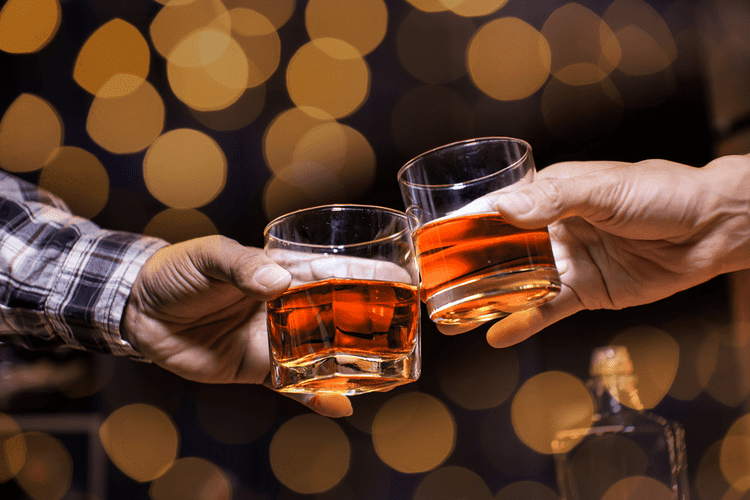
Alcohol lowers inhibitions and can lead to poor decision-making in the heat of the moment — especially when it comes to food choices. Even the most die-hard diet fan will have a hard time fighting the urge to dig in when intoxicated. Drinks that have mixers, such as fruit juice or soda, contain even more calories. Drinking alcohol is a favorite pastime for humans, both socially and culturally.
How Do Sugar Alcohols Affect Diabetics: A Complete Guide
- Complex carbs such as whole grains digest slower than simple sugars promoting gradual glucose release rather than sharp peaks.
- These belong to a category called sugar alcohols, and despite the name, they’re not actually made from sugar or alcohol.
- They stress the importance of moderation, especially when it comes to digestive health.
- After speaking with her doctor, Sarah decided to try products sweetened with erythritol and xylitol.
- When this happens, your blood sugar levels aren't steady and can drop too low.
Those on the opposite ends of the spectrum—people that drink heavily and those that don’t—have a greater risk. A review of 33 studies shows that people who follow healthy diets have up to a 23% lower risk of developing Type 2 diabetes — regardless of ethnicity. Some sugar alcohols, like xylitol, may inhibit the growth of bacteria in our mouths that cause cavities.
What You Should Know About Sucralose and Diabetes

Bolus (rapid-acting) insulin doses for food consumed while drinking may need to be reduced or omitted entirely, as the alcohol’s glucose-lowering effect will eventually take over. The most immediate and serious risk for people with T1D who consume alcohol is delayed hypoglycemia, or dangerously low blood sugar. The liver normally stores glucose as glycogen and releases it into the bloodstream to stabilize blood sugar. When alcohol is consumed, the body treats it as a toxin, and the liver prioritizes metabolizing and removing the alcohol from the system. Making the switch could help you keep your caloric intake in check. This might help you maintain a healthy weight, which is hella important if you have diabetes.